
Compassionate Care, Exceptional Outcomes.
Conditions We Treat
-
Hearing loss comes in three flavors: sensorineural, conductive, or mixed. For every patient, Dr. Wong takes the time to diagnose the unique type of hearing loss present in order to provide personalized care. Frequent causes include, but are not limited to:
Sudden hearing loss: A rapid hearing decline over hours to days that requires urgent treatment
Age-related: Gradual hearing decline over many years due to the aging process and noise exposure.
Eardrum perforation: A hole in the eardrum (tympanic membrane) from infection, qtips, or other trauma.
Middle ear fluid: Also known as an “effusion”, fluid buildup behind the eardrum may cause muffled hearing.
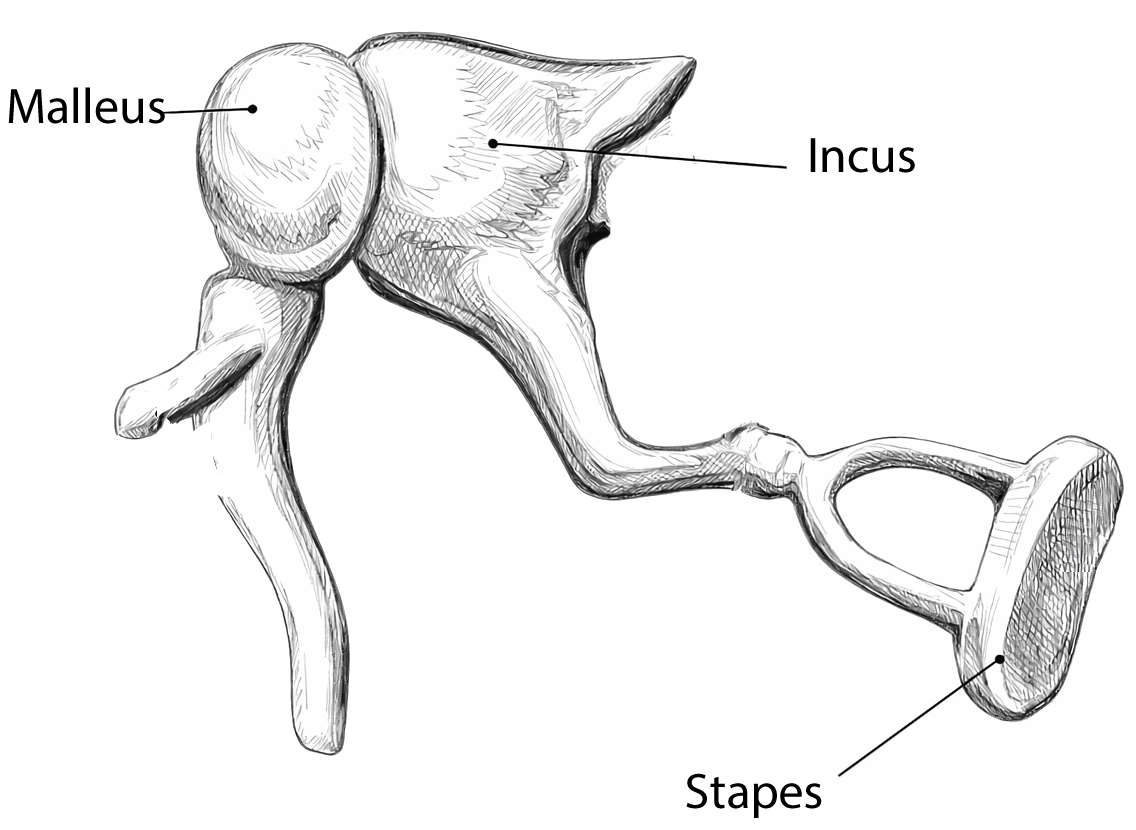
Otosclerosis: Abnormal hardening of the hearing bones (ossicles) that limits sound transmission.
Congenital: Hearing loss present at birth or at a young age.
Earwax: A surprisingly common cause of temporary hearing loss.
-
Outer ear infection: Also known as “otitis externa”, this is a common cause of ear infection that originates from the outer ear canal skin.
Middle ear infection: Also known as “otitis media”, this is a common infection in children that originates from behind the eardrum, resulting in fever, pressure buildup, and possible eardrum perforation if left untreated.
Eardrum perforation: A hole in the eardrum; results in hearing loss and increased chance for recurrent drainage and infections.
Chronic infection: Recurrent or persistent infections that may lead to ongoing drainage and hearing loss.
Cholesteatoma: A serious condition of abnormal skin growth behind the eardrum, causing hearing loss and chronic drainage.
Mastoiditis: A serious infection that spreads to the mastoid bone behind the ear.
-
Tinnitus is the perception of sound in the ears. Patients often describe it as ringing, buzzing, humming, or pulsating. Frequent causes include, but are not limited to:
Noise exposure: Loud concerts, firearms, or occupational noise can lead to persistent tinnitus.
Inner ear injury: Progressive or sudden inner ear injury may present with new-onset ringing and hearing loss.
Ménière disease: A disorder of inner ear fluid buildup causing fluctuating tinnitus, vertigo, and hearing loss.
Acoustic neuroma: A benign tumor of the hearing nerve that can causes one-sided tinnitus.
Medication-related (ototoxicity): Certain antibiotics, chemotherapy, and high-dose aspirin can affect inner ear function.
-
Vertigo is the sensation of spinning. Many cases originate from the inner ear balance system. Vertigo alone is not a diagnosis, but rather a symptom of something else. For every patient, Dr. Wong takes the time to determine the specific cause of vertigo in order to provide an individualized treatment plan. Frequent causes include:
Benign paroxysmal positional vertigo (BPPV): Brief episodes of spinning triggered by head movement. This is caused by displaced inner ear crystals.
Ménière disease: A disorder of inner ear fluid buildup causing fluctuating vertigo, tinnitus, and hearing loss.
Vestibular neuritis: Inflammation of the balance nerve that causes sudden, severe vertigo lasting days.
Labyrinthitis: Inflammation of the inner ear that can causes vertigo and hearing loss lasting days.
Vestibular migraine: Dizziness or vertigo associated with migraine activity, sometimes even without headache.
Acoustic neuroma: A benign tumor originating from the balance nerve that may cause progressive imbalance or vertigo.
Superior semicircular canal dehiscence: A thinning of the inner ear bone that may cause dizziness triggered by loud sounds or straining. Other symptoms may include hearing your voice echo or joints move.
-
Acoustic neuromas, also known as vestibular schwannomas, are benign tumors arising from the hearing/balance nerve, and may cause symptoms of hearing loss, tinnitus, imbalance, or facial symptoms. Treatment may include observation with serial MRI scans, radiation therapy, or microsurgical removal. Dr. Wong has a longstanding collaboration with a dedicated network of neurosurgeons and radiation oncologists who specialize in skull base conditions, ensuring that each patient receives a coordinated, individualized treatment plan tailored to their own wishes.
-
When these rare conditions are diagnosed, treatment is best guided by a specialist with dedicated training and extensive experience in lateral skull base surgery.
Acoustic neuroma (vestibular schwannoma): A benign tumor that sits on the hearing and balance nerve; may cause one-sided hearing loss, tinnitus, or imbalance.
Glomus tumor (paraganglioma): A tumor originating behind the eardrum that may cause pulsatile tinnitus, hearing changes, or hoarseness.
Facial nerve schwannoma: A benign tumor involving the facial nerve that can cause facial weakness and hearing loss.
Cholesteatoma: A non-cancerous but destructive growth of skin cells in the middle ear that can erode the hearing and balance system over time.
Ear and temporal bone tumors: Rare tumors and malignancies arising from the bone around the ear.
Meningioma: A slow-growing tumor that can arise near the skull base and affect nearby nerves.
-
Cerebrospinal fluid (CSF) leaks occur when there is a weakness or opening in the bone separating the brain from the ear. This may allow spinal fluid (CSF) to leak into the middle ear or mastoid, presenting as muffled hearing, clear ear drainage, or recurrent infections. These conditions require careful imaging, precise diagnosis, and thoughtful treatment planning in collaboration with neurosurgery.
-
Just as every patient is unique, not every condition fits neatly into a predefined category. If your condition is related to hearing, balance, or the lateral skull base—even if not specifically listed here—Dr. Wong is trained to evaluate and manage the most complex and uncommon disorders.